
Lab-Grown Diamonds: What They Are and Why They’re Becoming So Popular
In recent years, lab-grown diamonds have become one of the fastest-growing trends in the fine jewelry industry. Many modern buyers are choosing them for their beauty, value, and technological innovation. But what exactly are lab diamonds, and how do they compare to natural diamonds?
In this guide, we’ll explain what lab-grown diamonds are, how they are created, and why more people are choosing them for engagement rings and fine jewelry.
What Are Lab-Grown Diamonds?
Lab-grown diamonds are real diamonds created in advanced laboratory environments using technology that replicates the natural diamond formation process.
Unlike diamond simulants such as cubic zirconia or moissanite, lab diamonds have the exact same chemical, physical, and optical properties as natural diamonds. They are composed of pure carbon and crystallized in the same cubic structure as diamonds formed deep within the Earth.
Because of this, lab-grown diamonds:
- Have the same hardness (10 on the Mohs scale)
- Exhibit the same brilliance and fire
- Are graded using the same 4Cs: cut, color, clarity, and carat
Even professional gemologists often require specialized equipment to distinguish between natural and lab-created diamonds.
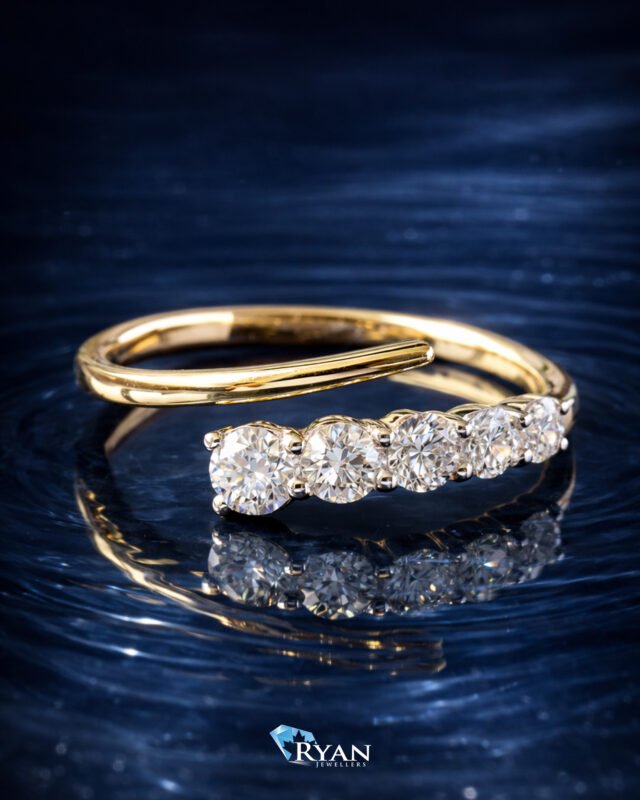
How Are Lab Diamonds Made?
There are two primary methods used to grow diamonds in a laboratory.
High Pressure High Temperature (HPHT)
This process replicates the natural conditions under which diamonds form deep underground. Carbon is subjected to extremely high pressure and temperature, allowing diamond crystals to grow over time.
Chemical Vapor Deposition (CVD)
In the CVD process, a thin diamond seed is placed in a chamber filled with carbon-rich gas. When heated, carbon atoms bond to the seed, gradually forming a diamond layer by layer.
Both methods produce high-quality diamonds that are visually identical to mined diamonds.
Lab-Grown Diamonds vs Natural Diamonds
When comparing lab diamonds vs natural diamonds, the differences are primarily related to origin and price.
Appearance
Visually, lab-grown diamonds are indistinguishable from natural diamonds. Both offer the same sparkle, brilliance, and clarity when properly cut.
Durability
Both types of diamonds are equally durable. With a hardness of 10 on the Mohs scale, they are suitable for everyday jewelry such as engagement rings and diamond jewelry.
Price
One of the biggest advantages of lab diamonds is value. Lab-grown diamonds typically cost 30–40% less than natural diamonds of comparable quality. This allows buyers to choose larger stones or higher grades within the same budget.
Origin
Natural diamonds are formed over billions of years beneath the Earth’s surface, while lab diamonds are grown using modern technology in controlled environments.
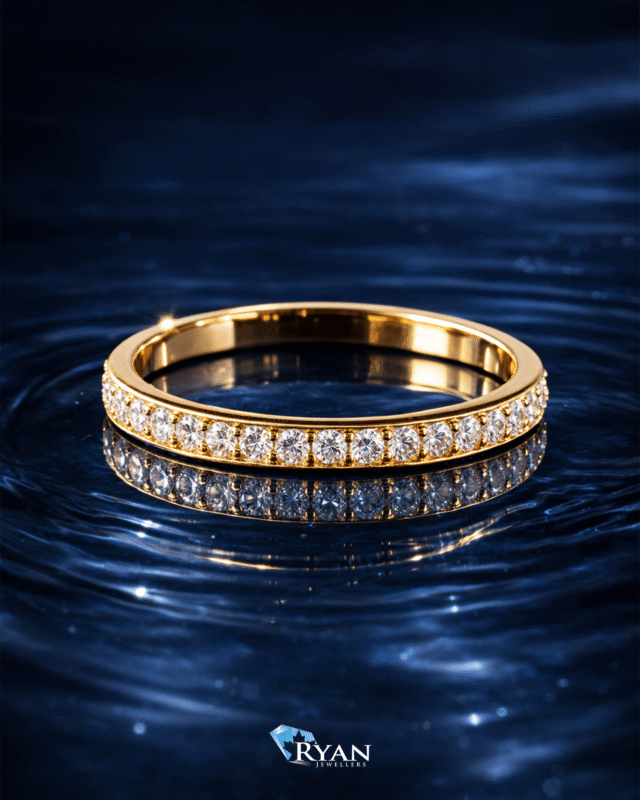
Why Lab Diamonds Are Becoming So Popular
The popularity of lab-grown diamonds has increased significantly in the past decade, particularly among younger buyers.
Several factors contribute to this growing demand.
Better Value
Because lab diamonds are more affordable, buyers can choose a larger carat size or higher clarity while staying within budget. This makes them particularly attractive for engagement rings and luxury jewelry.
Innovation in the Jewelry Industry
Advances in diamond-growing technology have made lab diamonds more accessible and consistent in quality. As a result, many jewelers now offer high-end lab diamond engagement rings that rival natural diamond pieces in appearance.
Modern Consumer Preferences
Today’s buyers often value innovation, transparency, and modern production methods. Lab-grown diamonds align with these preferences while still delivering the brilliance and luxury associated with traditional diamonds.
Are Lab Diamonds Good for Engagement Rings?
Yes, lab diamonds are an excellent choice for engagement rings.
Because they share the same durability and brilliance as natural diamonds, they are perfectly suited for daily wear. Many couples choose lab diamond engagement rings because they offer exceptional sparkle and allow for larger center stones within budget.
For buyers exploring different options, comparing styles such as oval, round, or emerald-cut engagement rings can help determine the best look for their personal taste.
You can explore a variety of beautifully crafted engagement rings and diamond jewelry designed for lasting elegance.
How to Choose a High-Quality Lab Diamond
Just like natural diamonds, lab diamonds are graded based on the 4Cs.
Cut
The cut determines how well a diamond reflects light. A well-cut diamond will produce exceptional brilliance and sparkle.
Color
Lab diamonds are graded from D (colorless) to Z (noticeable color). Higher color grades appear brighter and more transparent.
Clarity
Clarity measures the presence of internal or external imperfections. Higher clarity grades indicate fewer visible inclusions.
Carat
Carat refers to the diamond’s weight and size.
Understanding the 4Cs is essential when choosing any diamond. You can learn more about this in our guide to diamond quality and the 4Cs, which explains how each factor influences a diamond’s beauty.
Caring for Lab Diamond Jewelry
Lab-grown diamonds are just as durable as natural diamonds, but proper care helps maintain their brilliance.
To keep your jewelry looking its best:
- Clean it regularly with warm water and mild soap
- Store pieces separately to prevent scratching
- Remove jewelry during heavy physical activity
- Schedule occasional professional inspections
For detailed guidance, see our complete article on how to care for fine jewelry, including cleaning and storage tips.
Final Thoughts
Lab-grown diamonds represent an exciting evolution in modern fine jewelry. Offering the same beauty, durability, and brilliance as natural diamonds, they provide exceptional value and allow more buyers to enjoy high-quality diamond jewelry.
Whether you’re choosing a stunning engagement ring or investing in timeless fine jewelry, lab diamonds offer a sophisticated option that combines innovation with luxury.
At Ryan Jewellers, we are committed to offering expertly crafted jewelry designed to celebrate life’s most meaningful moments — with diamonds that shine brilliantly for years to come.